
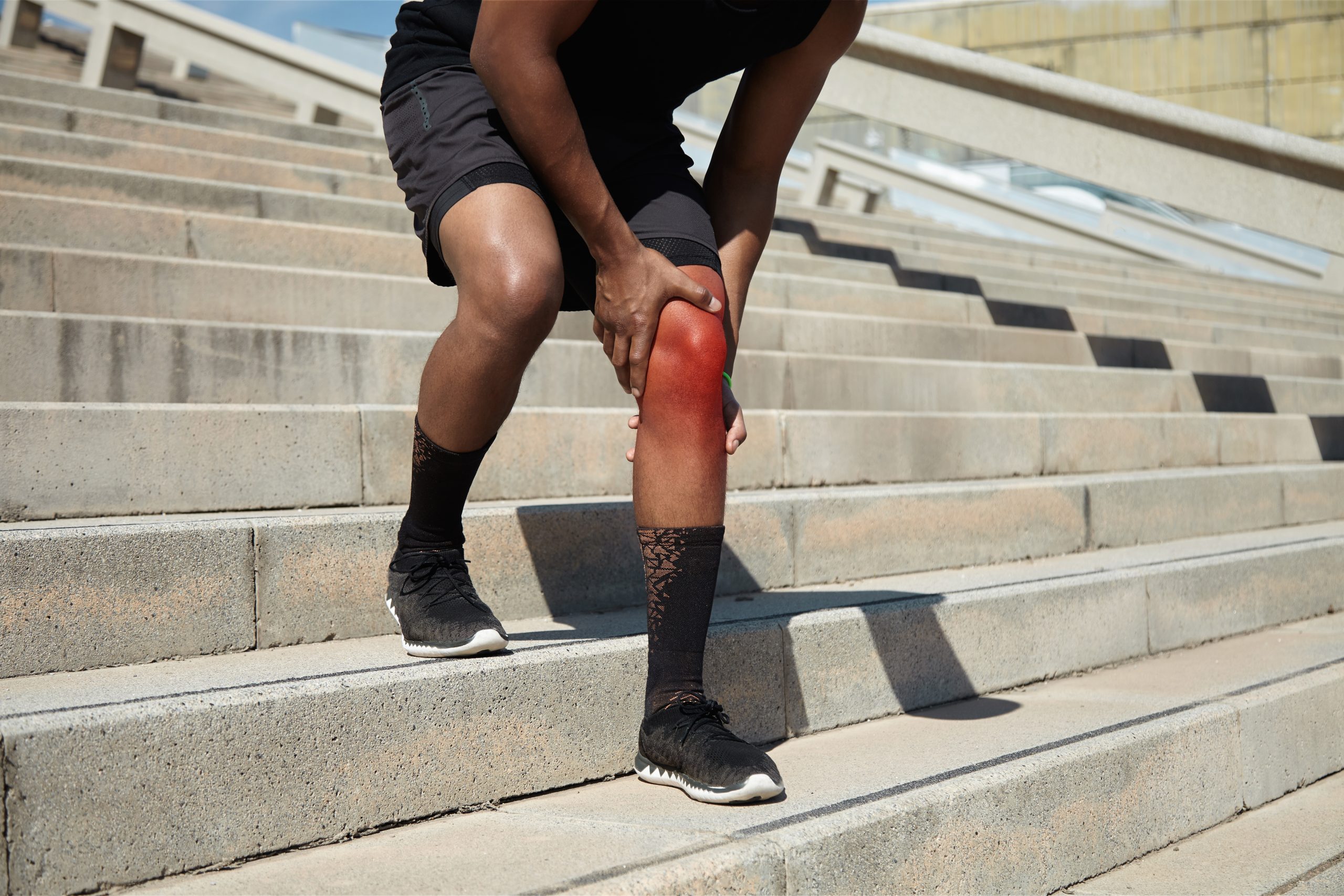
Have you started negotiating with your knees before climbing the stairs?
Does getting up from a chair require a little extra preparation? Do your knees complain after a long walk, or make that familiar cracking sound when you stand up?
You might laugh about it, but persistent knee discomfort is no joke.
One common cause is knee osteoarthritis (OA), a condition that affects millions of people worldwide and can gradually interfere with everyday activities.
But here’s something important: having knee osteoarthritis does not mean you have to surrender your active lifestyle.
What Exactly Is Knee Osteoarthritis?
Knee osteoarthritis is a degenerative joint condition involving changes to the cartilage, underlying bone and other structures within the knee.
Healthy cartilage helps the bones glide smoothly against each other during movement. With osteoarthritis, this protective tissue gradually changes and wears down, while the joint may develop inflammation, stiffness and structural changes.
The result can be pain, swelling, reduced mobility and difficulty performing everyday activities.
Although it becomes more common with age, osteoarthritis is not exclusively an elderly person’s condition.
Previous knee injuries, excess body weight, genetics, repetitive joint loading and certain occupational demands can increase the risk.
The Warning Signs You Shouldn’t Ignore
Knee osteoarthritis often develops gradually. Some common symptoms include:
- Knee pain: Particularly during walking, climbing stairs, standing for long periods or getting up from a chair.
- Morning stiffness: The knee may feel stiff after waking up or sitting for an extended period.
- Swelling: The joint may occasionally become swollen or feel tender.
- Reduced flexibility: Bending or straightening the knee may become increasingly difficult.
- Crepitus: A clicking, grinding or crackling sensation during movement.
- Reduced confidence: You may begin avoiding activities you previously enjoyed because you’re worried about pain.
If these symptoms sound familiar, a proper assessment is worthwhile. Not every painful or noisy knee has osteoarthritis, and an accurate diagnosis matters.
No, You Don’t Have to Stop Exercising!
One of the biggest misconceptions about knee osteoarthritis is that exercise will further damage the joint.
In reality, appropriately prescribed exercise is one of the most effective first-line treatments for knee osteoarthritis.
Why?
Because stronger muscles help support the knee, improve joint function and make everyday movement easier.
A physiotherapy programme may include:
- Quadriceps and hamstring strengthening.
- Hip and gluteal muscle strengthening.
- Gentle range-of-motion exercises.
- Balance and stability training.
- Low-impact aerobic activities such as walking, cycling or swimming.
- Education on joint protection and activity modification.
The key is choosing exercises that match your current ability and gradually increasing the intensity.
Your knees need movement, not punishment!
Weight Management Matters Too
Here’s a fact worth considering: your knees carry a significant portion of your body weight with every step.
Excess body weight increases the mechanical load placed on the knee joints. Research has shown that losing weight can significantly improve pain and physical function in people with knee osteoarthritis who are overweight or obese.
Even modest weight reduction can make a meaningful difference.
The goal isn’t necessarily to become extremely slim. It’s to reduce unnecessary stress on your joints while improving your overall health.
How Physiotherapy Can Help
Knee osteoarthritis is a long-term condition, but its symptoms can often be managed effectively.
Physiotherapy focuses on helping you maintain independence, improve strength, reduce pain and preserve mobility.
At Pneuma Havens, our physiotherapy approach begins with understanding your symptoms, assessing your movement and identifying the factors contributing to your discomfort.
From there, we develop an individualised treatment programme designed around your needs and functional goals.
Perhaps you want to climb stairs without discomfort.
Perhaps you want to return to your morning walks.
Perhaps you simply want to get out of bed without your knees reminding you that you’re no longer 25!
Whatever your goal, improving your movement and quality of life is worth pursuing.
Don’t Let Knee Pain Decide How You Live
Knee osteoarthritis doesn’t have to mean the end of your active years.
With appropriate physiotherapy, regular exercise, weight management where necessary and informed lifestyle choices, many people with knee osteoarthritis can remain active and enjoy a better quality of life.
You don’t have to wait until walking becomes difficult before seeking help.
At Pneuma Havens, we believe ageing should not mean giving up on movement.
Let us help you build stronger muscles, improve mobility and move with greater confidence.
Ready to Give Your Knees a Better Chance?
Visit Pneuma Havens for professional physiotherapy and a personalised approach to better movement.
📍 11A Sobo Siffre Street, Arowojobe Estate, Mende–Maryland, Lagos.
Your knees have carried you through life. It’s time to give them the care they deserve.
Pneuma Havens — Move Better. Live Better.